Concept & Setting
Songs of Silence is a fantasy strategy game developed by Chimera Entertainment, and it is the kind of indie title that immediately proves how powerful a strong artistic vision can be. At first glance, the game stands out for its gorgeous Art Nouveau-inspired visual identity, but beneath that elegant surface there is also a confident hybrid of turn-based strategy, hero progression, card-based abilities, and fast real-time battles.
The game takes place in a world threatened by the mysterious force known as the Silence. Three major factions struggle for survival, power, and meaning in a land where beauty and destruction constantly exist side by side. This setting gives Songs of Silence a grand fantasy atmosphere, but it also keeps the story intimate enough to feel personal. Heroes are not just anonymous commanders on a map: they are central figures in a larger conflict, each carrying their own identity, abilities, and narrative weight.
What makes the game especially appealing is how clearly it understands its own tone. Songs of Silence is dramatic, elegant, melancholic, and colorful. It does not try to imitate the usual grimdark fantasy formula. Instead, it builds a world that feels illustrated, theatrical, and full of personality. For an indie strategy game, this sense of identity is one of its greatest achievements.
Gameplay & Mechanics
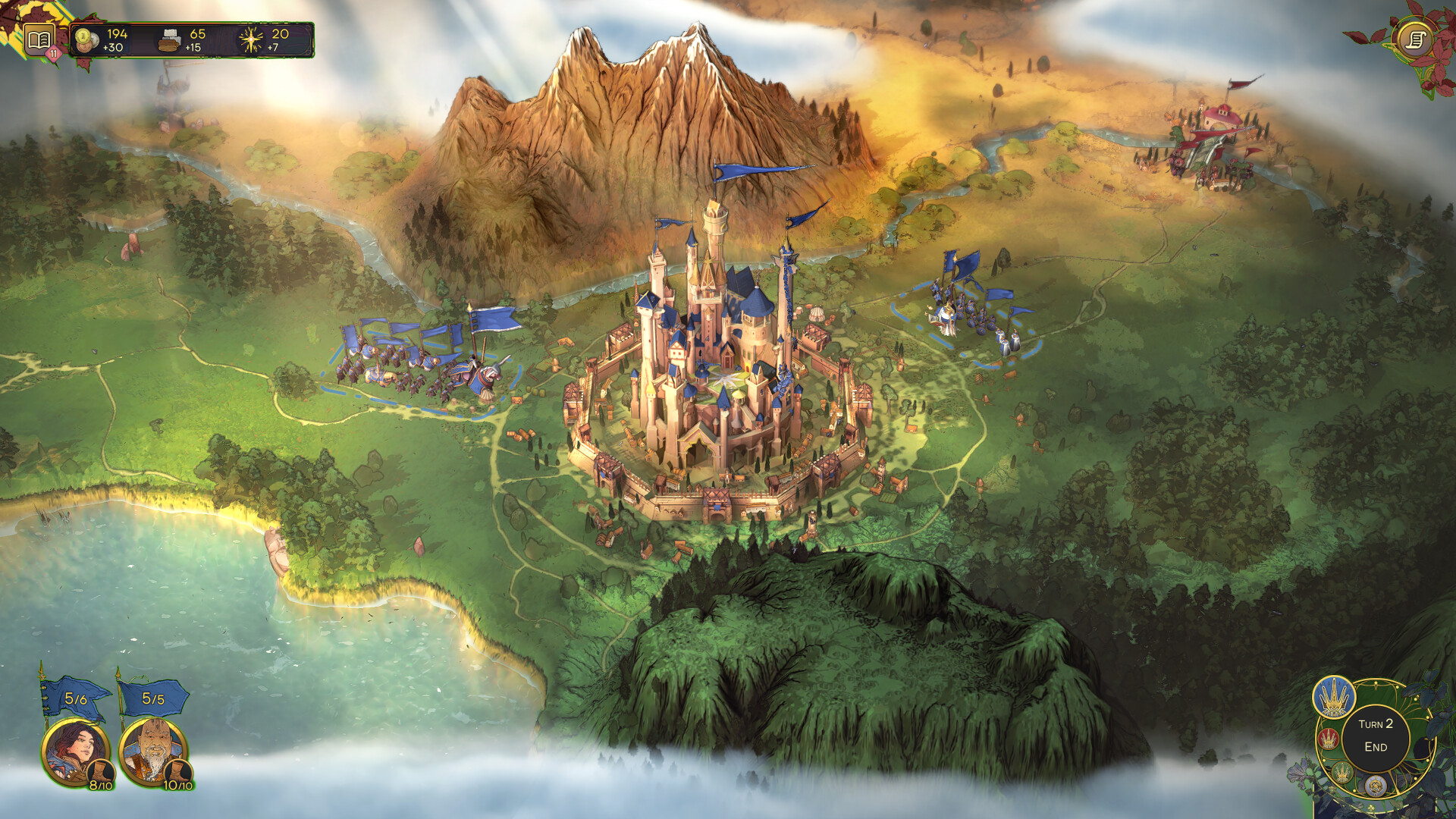
At its heart, Songs of Silence combines several strategy ideas into a streamlined and enjoyable structure. On the campaign map, players move armies, capture settlements, gather resources, recruit units, and expand their control over the world. These turn-based sections are accessible and easy to read, allowing the player to focus on meaningful decisions rather than being overwhelmed by excessive micromanagement.
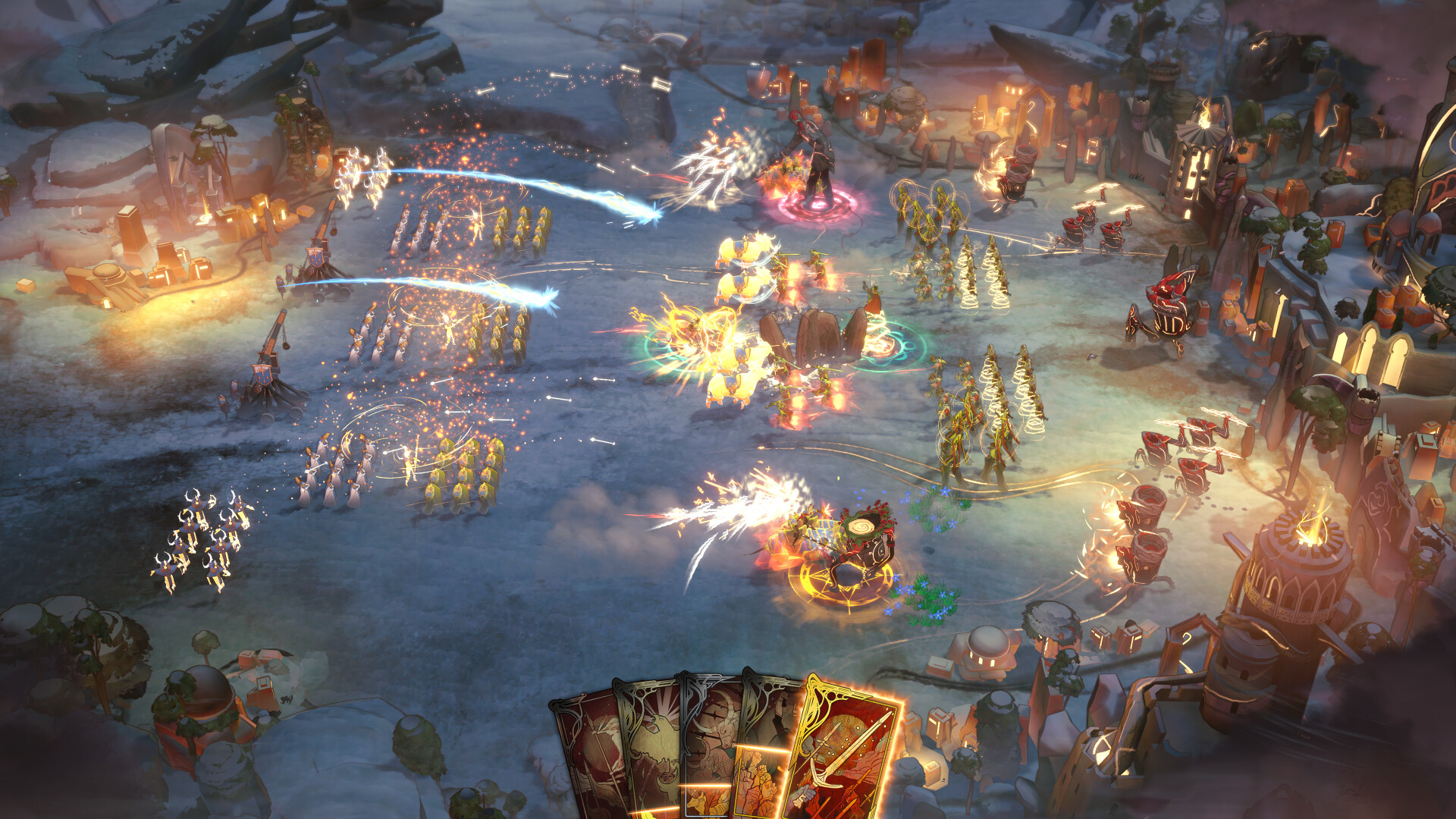
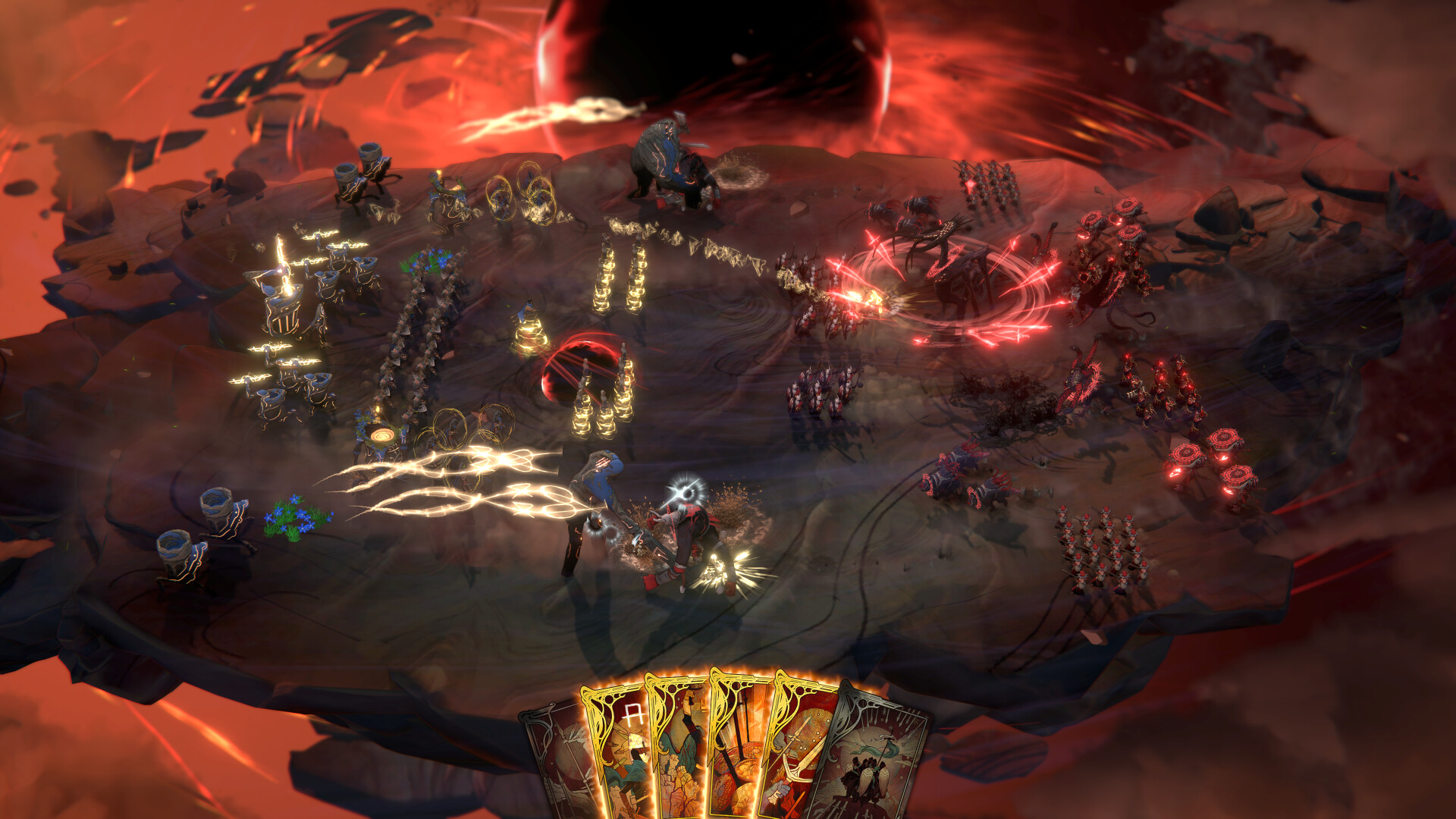
The battles are handled through a real-time auto-battler system. Once combat begins, armies clash automatically, but the player is not simply watching from the sidelines. Hero abilities are represented through cards, which can be activated during battle to influence the outcome. These cards can damage enemies, strengthen allies, summon effects, or shift the flow of the fight at crucial moments.
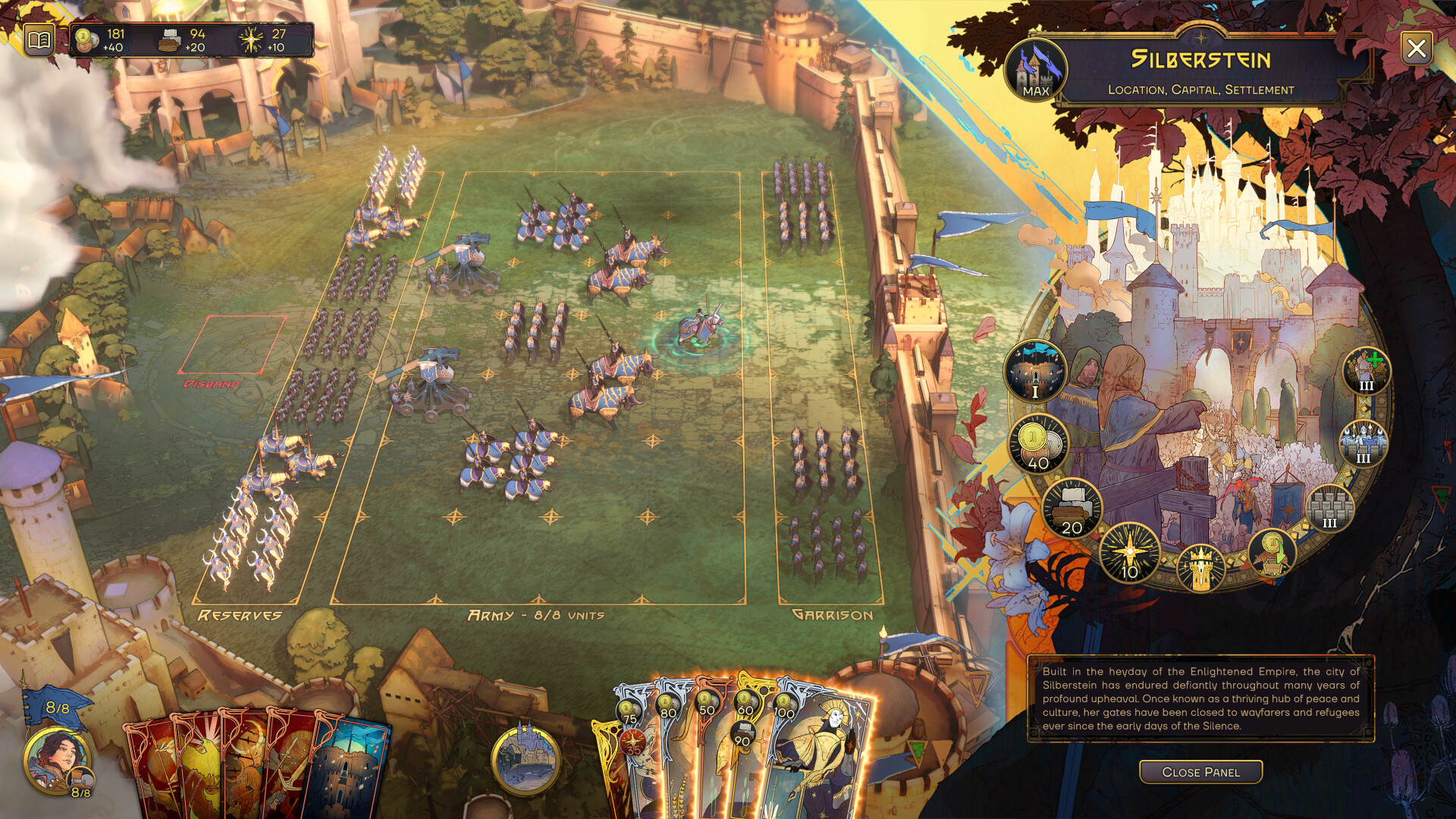
This system gives the game a distinctive rhythm. The strategic layer is thoughtful and deliberate, while battles are fast, cinematic, and visually satisfying. Instead of asking players to control every single unit manually, Songs of Silence focuses on preparation, army composition, positioning, and the timely use of hero powers. It is a smart design choice that makes battles feel dynamic without slowing down the campaign.
The card system is one of the most enjoyable parts of the experience. Each hero feels different because their abilities shape how battles unfold. Choosing when to use a powerful card can turn a difficult encounter into a victory, and learning how different units and hero skills work together gives the game a satisfying tactical layer.
Campaign & Progression
The campaign does a strong job of introducing the world and mechanics gradually. Rather than throwing every system at the player at once, Songs of Silence allows its strategy elements to unfold naturally. This makes it welcoming for players who may not usually dive into 4X or grand strategy games, while still giving genre fans enough depth to experiment with different heroes, armies, and approaches.
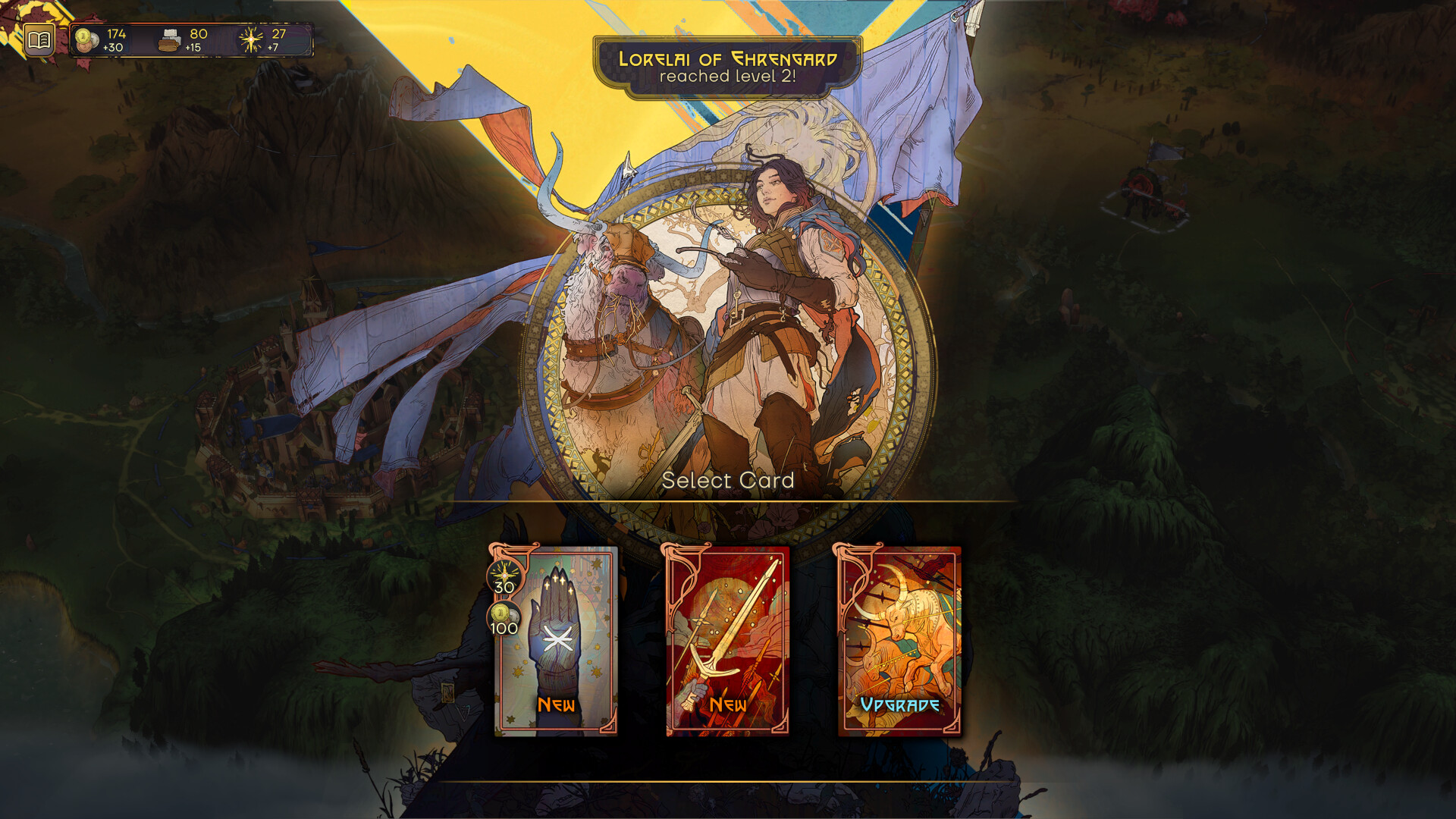
Hero progression adds a pleasant sense of continuity. As commanders gain new tools and armies become stronger, the player develops a connection with their forces. The game encourages you to think not only about immediate victory, but also about how to preserve and improve your army over time.
The pacing is also worth praising. Many strategy games can become slow or exhausting in the mid-to-late game, but Songs of Silence keeps things moving. Turns are generally quick, battles resolve at a satisfying speed, and the structure avoids unnecessary complexity. This makes it a particularly good choice for players who enjoy strategy but do not always have the time or patience for extremely long campaigns.
Atmosphere & Art Direction
The visual presentation is easily one of the defining features of Songs of Silence. The Art Nouveau influence gives the game a unique personality, with elegant character designs, ornamental details, expressive portraits, and beautifully composed scenes. It feels less like a typical strategy interface and more like an interactive illustrated fantasy epic.
This is not just “pretty art” for the sake of decoration. The visual style supports the entire atmosphere of the game. The world feels fragile, noble, and tragic. Even the menus and UI elements contribute to the feeling that you are turning the pages of a mythic storybook.
The soundtrack is another major highlight. The music gives battles and campaign moments a sense of scale and emotion, helping the game feel more dramatic and memorable. Together, the art and music create an atmosphere that is unusually strong for the genre. It is the kind of presentation that makes you want to stop for a moment and simply appreciate the world the developers have created.
For an indie game, this level of artistic cohesion is impressive. Songs of Silence is a reminder that independent studios can often take bolder aesthetic risks than larger productions, and here that creative freedom results in something genuinely memorable.
Strengths
One of the biggest strengths of Songs of Silence is its accessibility. Strategy games can sometimes be intimidating, especially when they involve many layers of management, diplomacy, combat, and economy. This game takes familiar ideas from 4X and turn-based strategy, then presents them in a way that feels elegant and approachable.
Another major strength is its hybrid identity. The mixture of campaign strategy, auto-battler combat, and card-based hero powers gives the game a flavor of its own. It does not feel like a simple clone of better-known strategy franchises. Instead, it combines recognizable elements in a fresh and polished way.
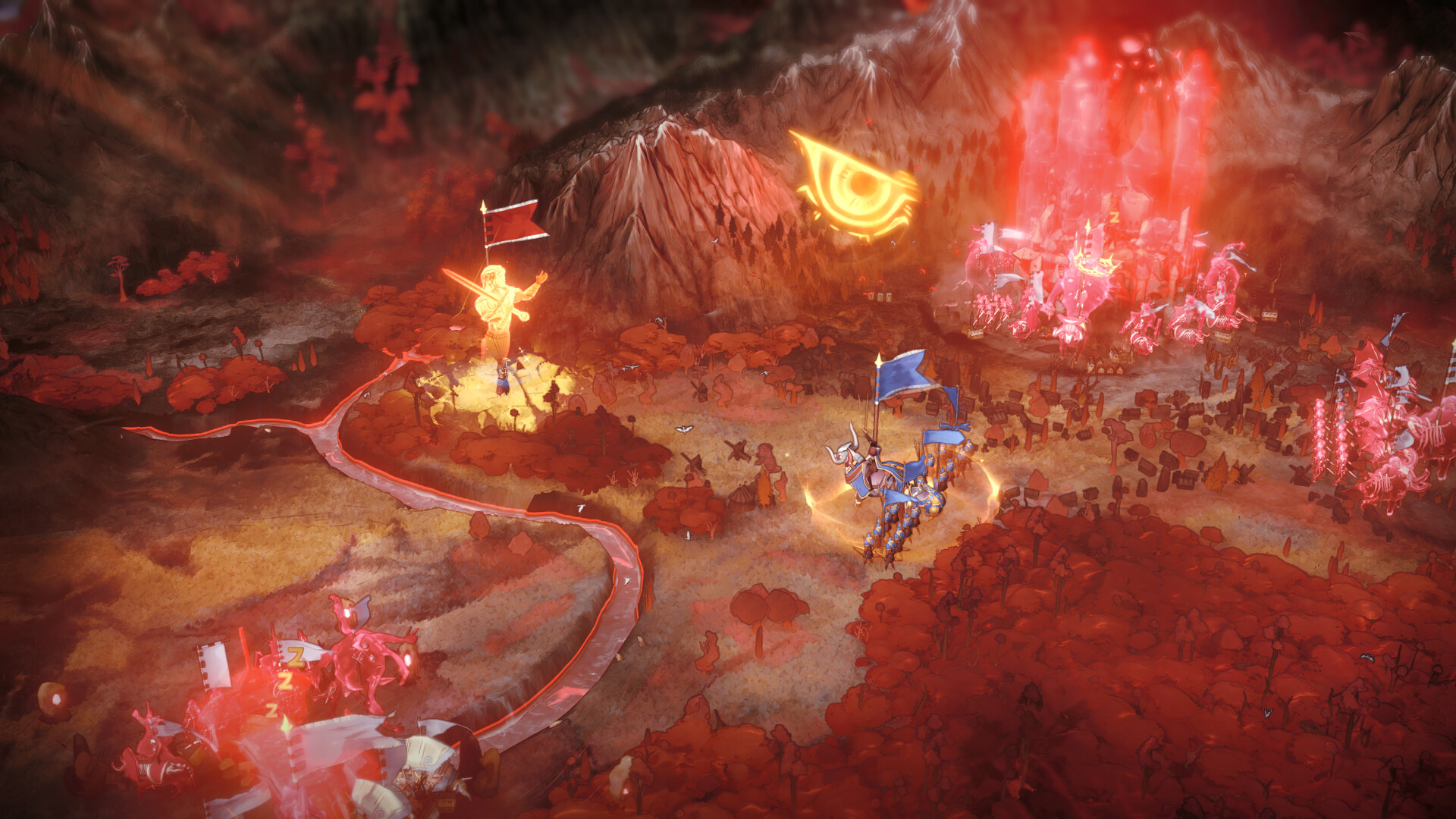
The presentation is exceptional. From character art to world design, from music to battle animations, Songs of Silence has a clear artistic direction and follows it with confidence. This makes the game stand out immediately in the indie strategy scene.
The factions and heroes also add variety. Each side has its own personality, units, and tactical possibilities, encouraging players to try different approaches. The more you play, the more you begin to appreciate how army composition, hero abilities, and campaign decisions connect with one another.
Verdict
Songs of Silence is a visually stunning and highly engaging indie strategy game that blends turn-based conquest, hero-led armies, card-based abilities, and cinematic auto-battles into a cohesive and memorable experience. Its systems are accessible without feeling shallow, its world is rich with atmosphere, and its presentation is among the most distinctive in the modern indie strategy landscape.
The game may not be the deepest or most complex 4X experience for hardcore strategy purists, but that is not really its goal. Instead, Songs of Silence offers something more elegant and focused: a fantasy strategy adventure that is easy to enjoy, beautiful to look at, and satisfying to play.
For fans of indie games, fantasy worlds, tactical decision-making, and unique art direction, Songs of Silence is an easy recommendation. It is a game with heart, style, and a clear creative identity — exactly the kind of project that shows why the indie scene continues to be such an exciting space for strategy fans.
A gorgeous, atmospheric, and confidently designed indie strategy game that turns familiar genre elements into something fresh, elegant, and memorable.